We can achieve so much more when we work together, whether that’s with other students, other schools, other teachers, or the wider community beyond the school gate. By working together, our efforts combine to build the future we need!
We congratulate all the winners and finalists of across the 8 categories. Read about their work towards a sustainable future.
Winners were announced at our awards event on 5 June at the Melbourne Cricket Ground. We offered subsidies for travel and for casual relief staff so that our finalist schools can attend the event as cost neutral as possible.
Thank you to our sponsors
We are proud to collaborate with our sponsors to help deliver the ResourceSmart Schools Awards and to inspire our young people and schools to lead the way on sustainability.
The 2025 ResourceSmart Schools Awards would not be possible without the generous support of CDS Vic, the Department of Education and Bank First.
Winners image gallery
ResourceSmart School of the Year
This category recognises outstanding sustainability achievement in Victorian primary and secondary schools through:
- positive impact and innovation
- addressing sustainability as a cross-curriculum priority in the Victorian Curriculum
- engaging the broader community
- improvements to campus operations and/infrastructure
- sustainability leadership in the education sector/other schools.
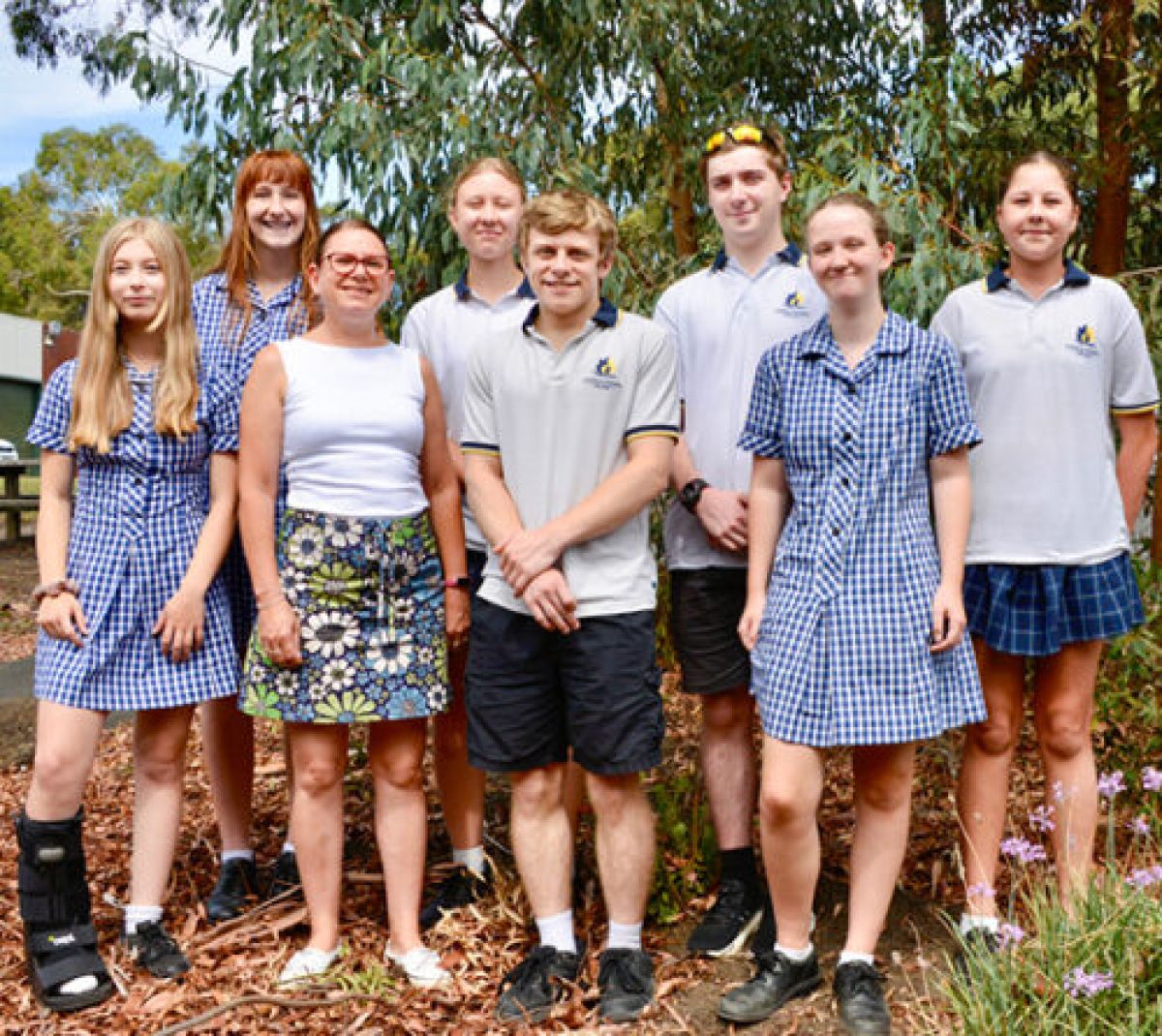
Winner: Lilydale Heights College, Lilydale
Lilydale Heights College excels in implementing authentic, integrated sustainability practices across the entire school under the leadership of Sustainability Learning Specialist Shannon Sargeant.
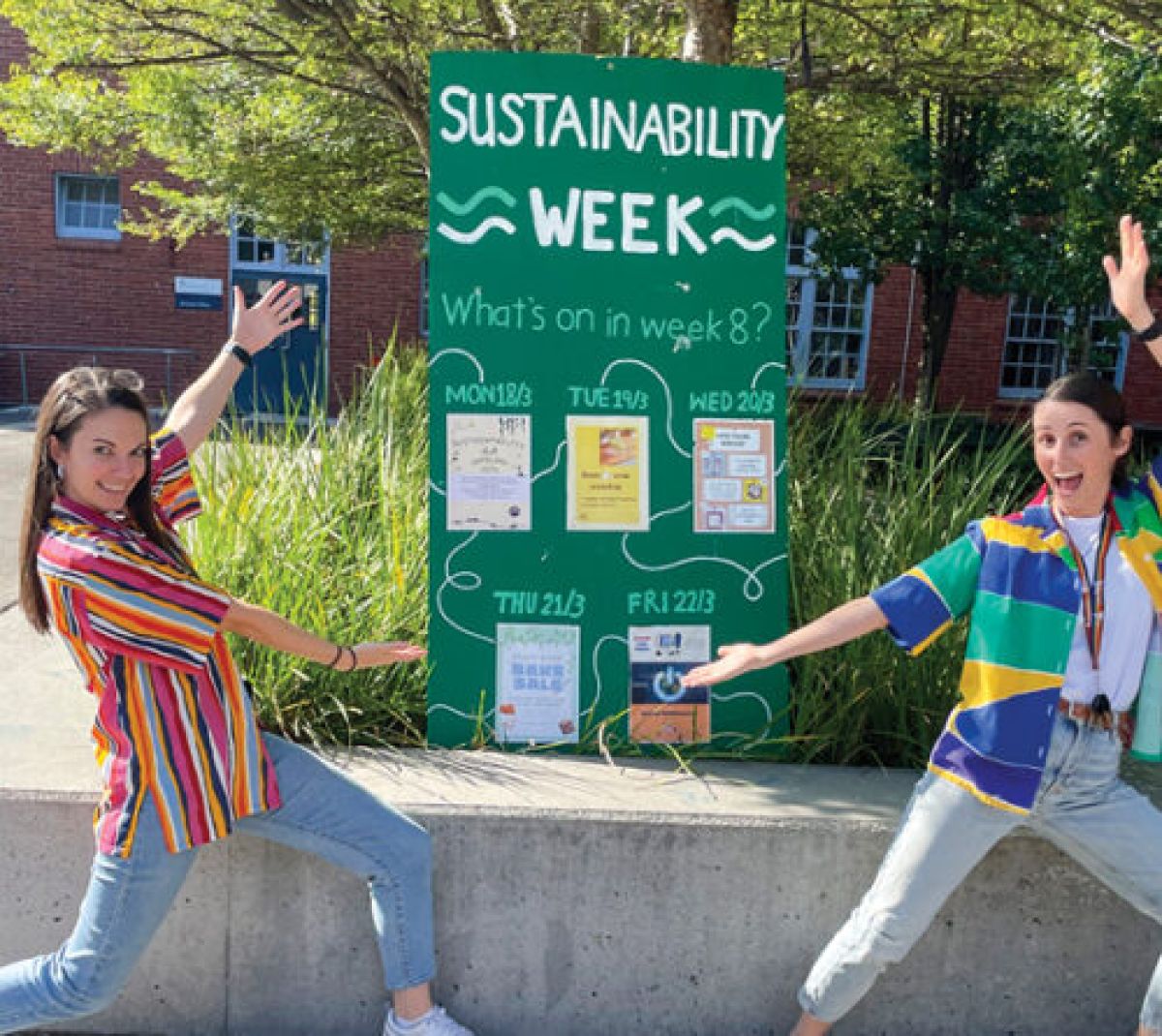
The school's Rebuild Project involved repurposing buildings to reduce waste and conserve resources. Sustainability Week focused on reducing plastic waste and promoting sustainable fashion, empowering students to make eco-friendly choices.
As a Monash University Idle Off pilot school, the school raises awareness about vehicle emissions and working together with Zoos Victoria on their Fighting Extinction science project, students aided conservation efforts for species like the Mountain Pygmy Possum.
The school participates in Eastern Alliance for Sustainability Learning events and ResourceSmart School workshops, with their projects No Plastic Wrap and nesting box construction making tangible sustainability gains for the school community.
Their collaborative town square artwork project deepened understandings of First Nations perspectives on sustainability and professional development opportunities ensure staff incorporate sustainability across the curriculum, with cross-curricular units like There is No Planet B challenging students to tackle real-world environmental issues.
Finalists
Aitken College, Greenvale
Partnering for impact with environmental advocates
Aitken College has worked together with many leading environmental organisations to become a leader in sustainability education, under the guidance of sustainability coordinator Dwayne Ganci.
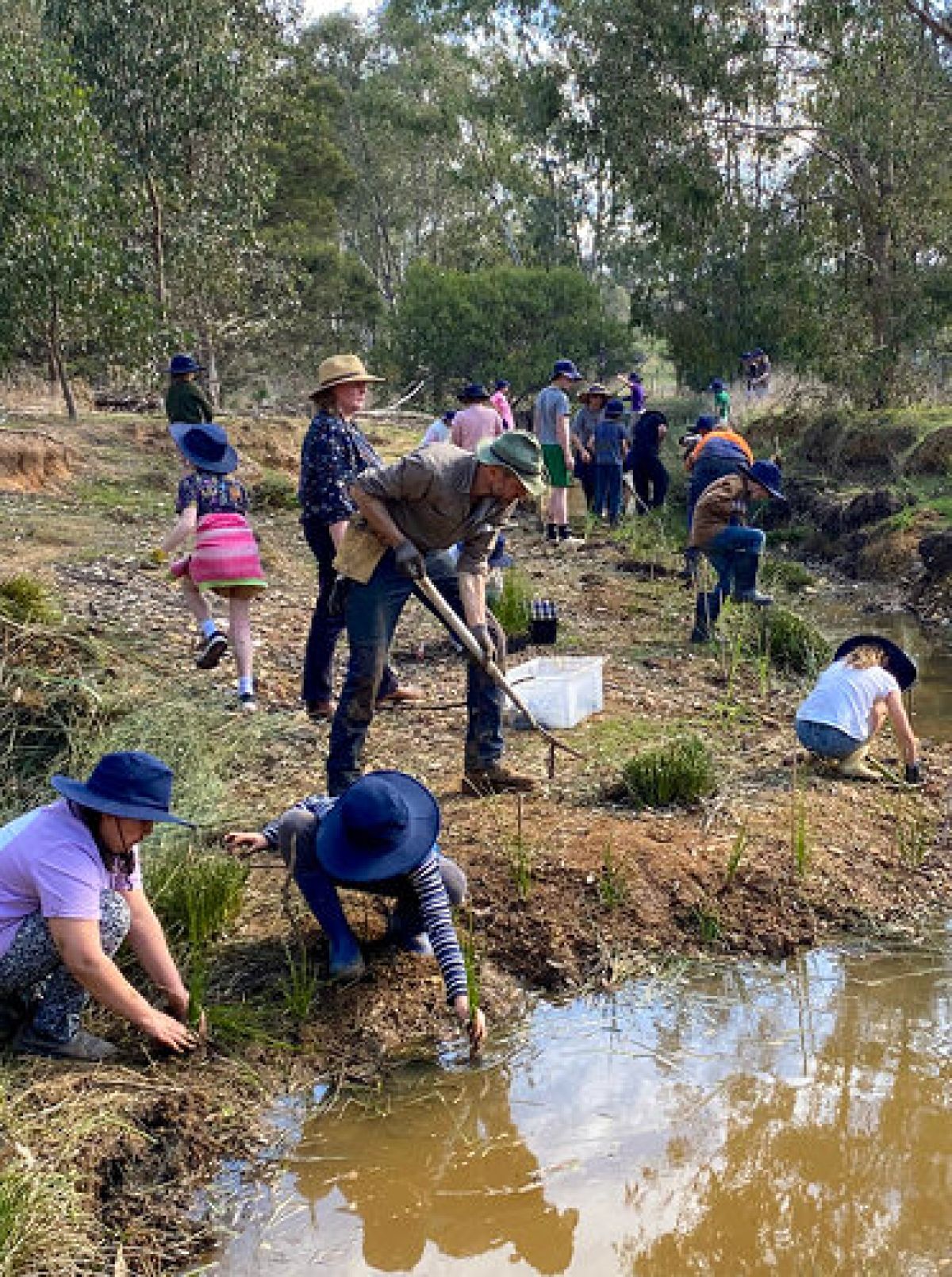
This 5 star school partnered with Melbourne Water on the Brodies Creek Revegetation Project to improve stormwater quality and reduce erosion, and received a Victorian Junior Landcare and Biodiversity Grant to regenerate local wetlands.
Their Bush Tucker Garden project connects students with First Nations culture and increases biodiversity, while staff received WaterWatch training to monitor wetland and creek health.
Their new Cumberland Building was awarded the 2024 Learning Environments Australasia Design Award, and their Precious Plastics program educates students on plastic pollution and recycling.
Monbulk Primary School, Monbulk
5 star status builds momentum in Monbulk
Monbulk Primary School has made significant progress in sustainability, achieving a 5 star status in 2023.
The school’s sustainability leader, Danielle Lamport, has led various initiatives, including planting native grasses, creating a water-wise indigenous garden, and reducing waste to landfill through CDS Vic.
The school has also worked together with the community through partnerships with local nurseries and participation in events like the Repower Festival.
The school’s sustainability values are integrated into the curriculum and everyday actions by staff, students, and the wider community.
Campus Infrastructure and Operations School of the Year
Celebrating the school that best demonstrates their commitment to environmental sustainability.
Winner: St. Monica's College, Epping
St. Monica’s College has reimagined its campus operations and infrastructure to seamlessly integrate sustainability into the foundation of its daily functions and long-term planning.
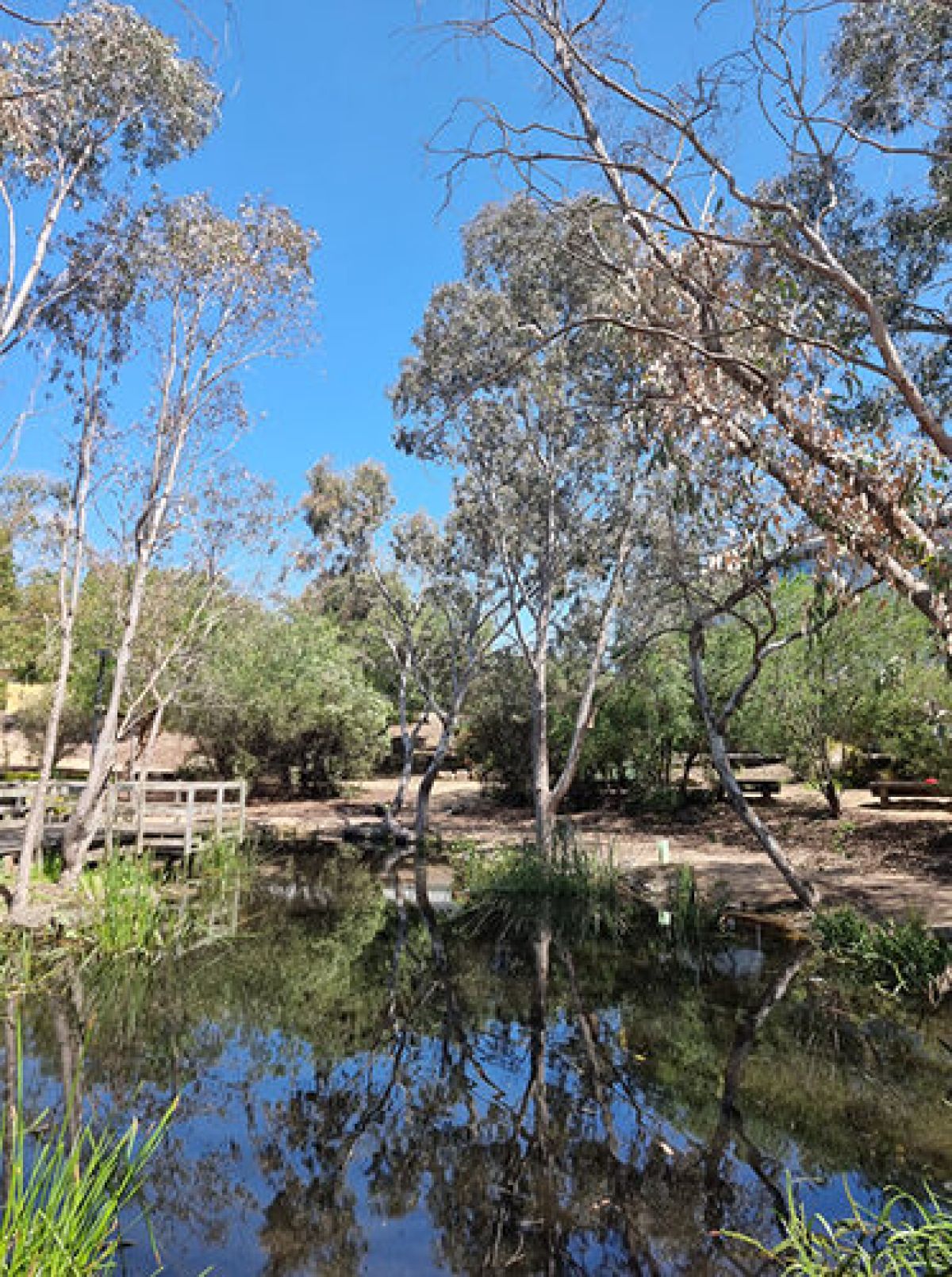
The EnviroFriends student team transformed an unused sports pitch into a thriving wetland next to Darebin Creek. This new wildlife corridor now supports endangered Volcanic Plains Grasslands and habitats for frogs, fish, and woodland birds, complete with frog ‘saunas’, fish ‘hotels’, and nest boxes.
The school’s STEM and IT programs support environmental monitoring, using advanced technologies like drones and wildlife cameras. A recent biodiversity audit showed a major boost to the school’s ecological health.
Community collaboration is part of the school’s day-to-day operations, with students, staff, Whittlesea Council and the broader community all working together to smash sustainability goals. Sustainability events, student-led competitions, and conservation partnerships keep the momentum going. By sharing their progress in publications and online, the school inspires others and shows what’s possible when education and environmental action go hand in hand.
Finalists
Camberwell Grammar School, Canterbury
Leading the way with a greener cafeteria
Camberwell Grammar School boosted the sustainability of its cafeteria by reducing landfill waste, improving recycling, and ensuring ethical purchasing.
Students, staff, suppliers and parents worked together on key initiatives such as eliminating single-use plastics, using reusable bowls and cutlery, and implementing Food and Garden Organics (FOGO) bins.
Student-led campaigns promoting sustainability behaviours complemented these operational improvements.
This 1 star school improved waste sorting and reduced contamination, with annual audits revealing a reduction in landfill emissions and improved recycling rates.
Croydon Hills Primary School, Croydon Hills
Farm at the heart of campus sustainability
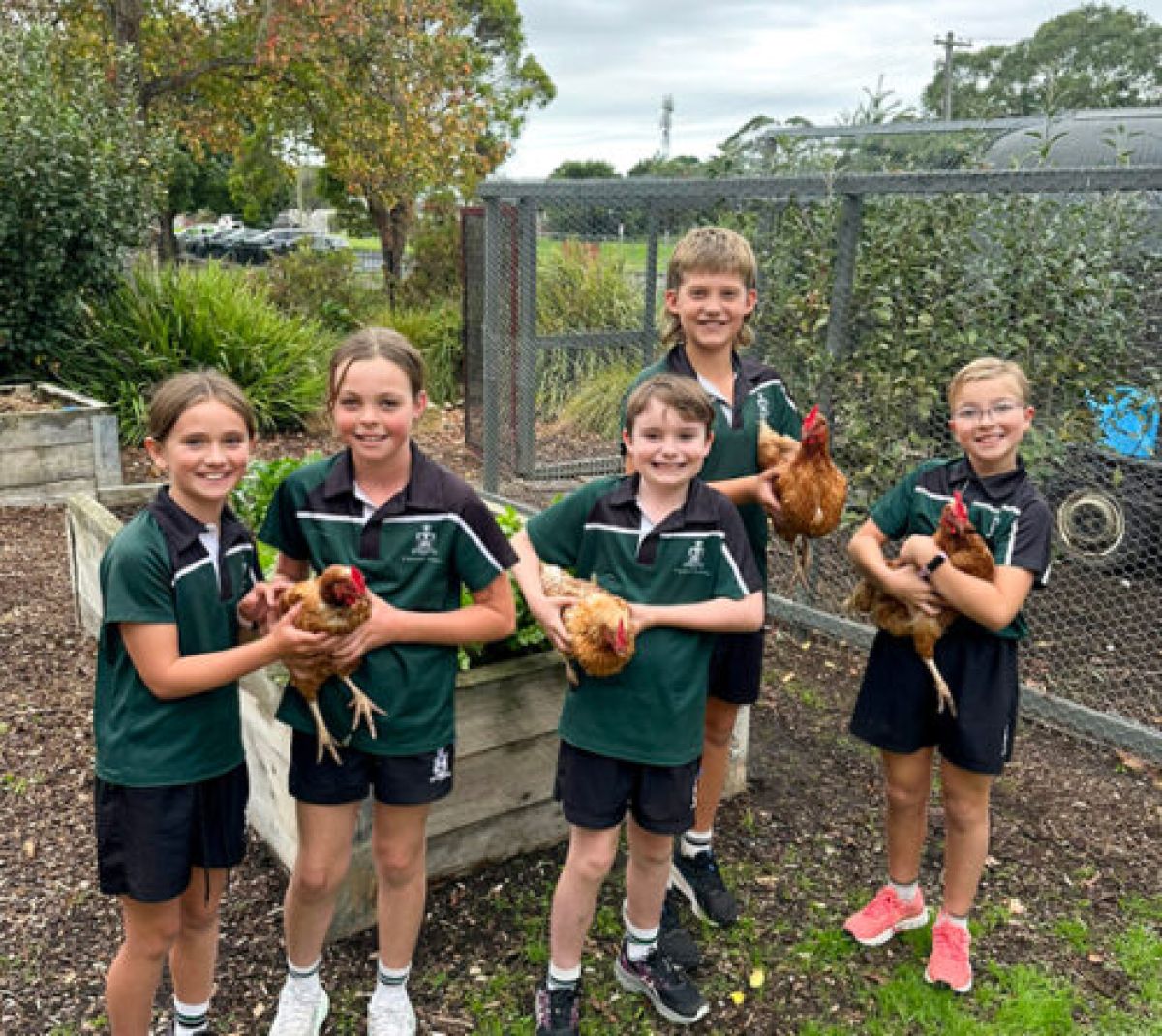
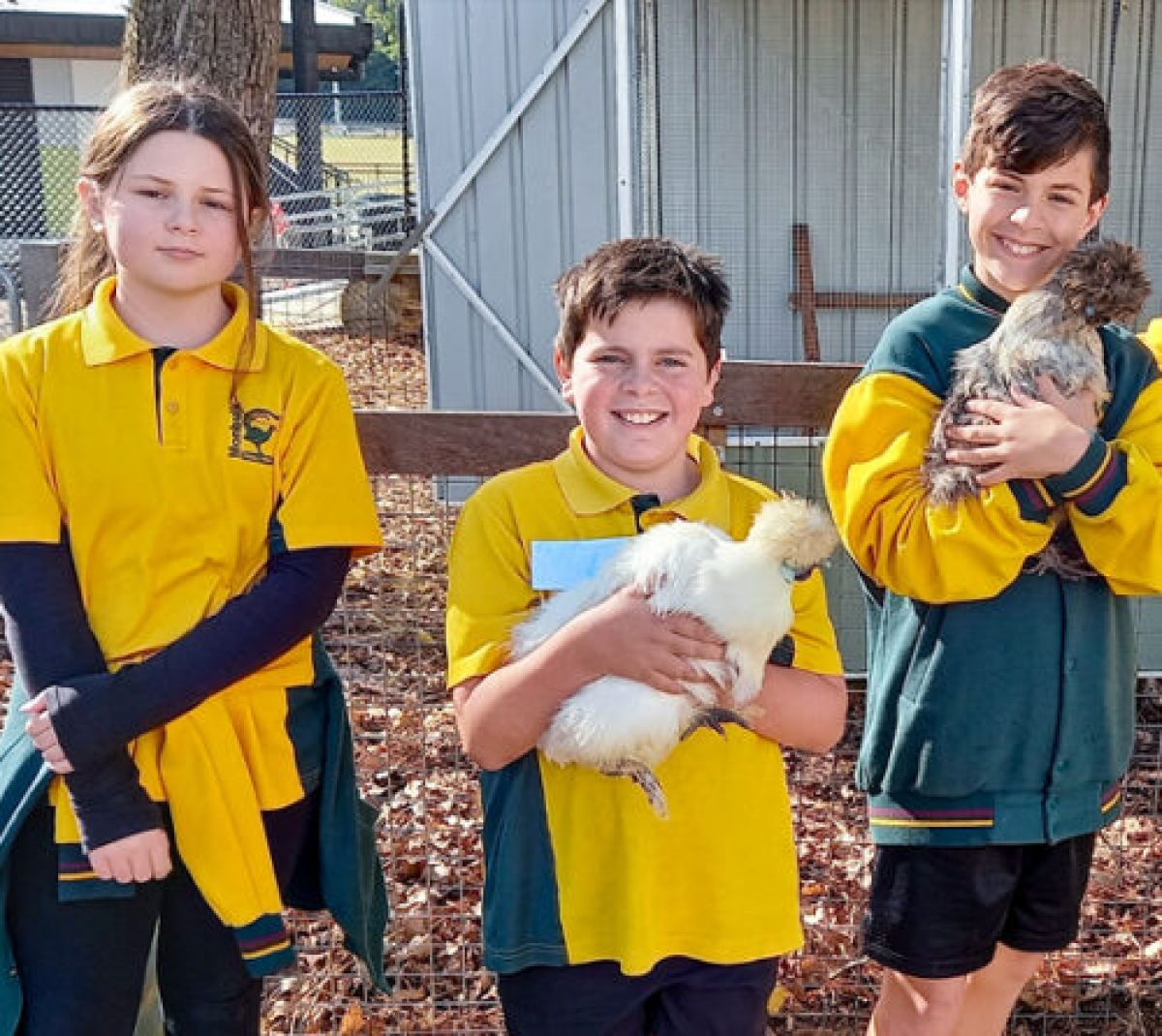
Students and staff at Croydon Hills Primary School have worked together to create their on-campus farm, including an orchard, composting area, chicken yard, and vegetable plots with innovative wicking beds.
Using a Victorian Junior Landcare and Biodiversity Grant, this 3 star school turned an unused lawn into a biodiverse garden.
Energy efficiency was improved by installing LEDs, while an upgraded rainwater system stores up to 120,000 litres.
The school also diverts 95% of its food waste to compost.
Emerging School of the Year
A category that celebrates a school that has recently joined RSS and has already started to embed sustainability in everything they do.
Winner: St. Angela of the Cross Primary School, Warragul
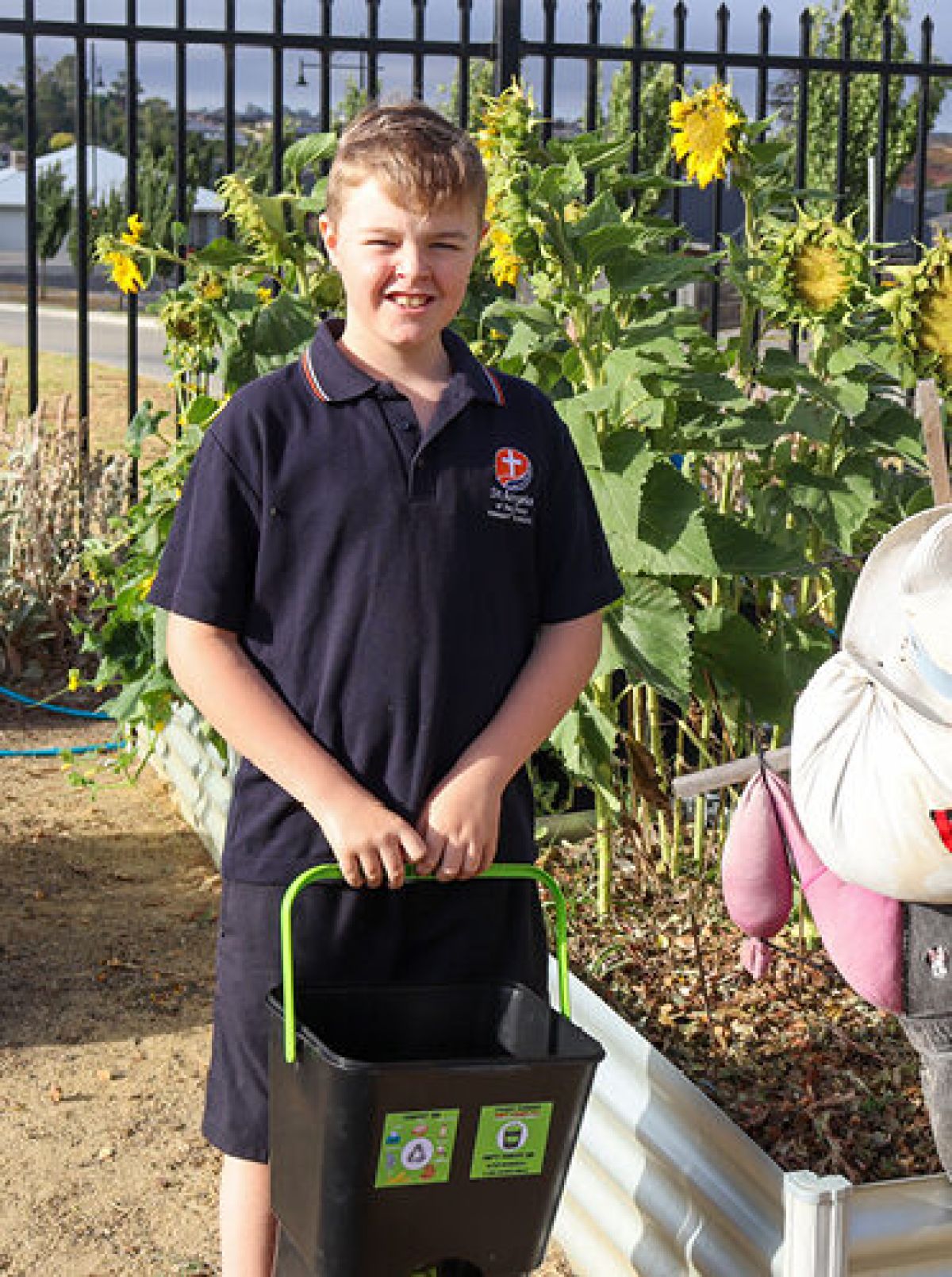
The St. Angela of the Cross school community has worked together to make sustainability part of everyday learning through initiatives such as Wrapper Free Wednesday, classroom composting, gardening club and working on the Gippy Bird Habitat Wetland Area.
The school’s sustainability action plan features clear, actionable and measurable targets matched to community goals. The targets were shaped with data and research sourced through the school’s comprehensive environmental audits.
For example, this 2 star school installed a tracker to monitor water use and conducted waste audits to minimise single-use plastics and increase recycling and composting. Travel audits helped set targets for reducing carbon emissions and promoting sustainable travel, through initiatives like Ride to School Day. Involvement in the Aussie Bird Count has enhanced biodiversity.
These efforts have built community momentum and accelerated the school’s progress towards its sustainability goals, proving that even small actions can lead to substantial environmental benefits.
Finalists
Box Hill High School, Box Hill
Sustainability club’s rapid rise
Box Hill High School’s journey began in 2022 with the establishment of a sustainability club, which has grown from 4 members to more than 25.
The school community has worked together to implement composting, container recycling, and a recycled stationery station.
They have also delivered annual events like Sustainability Week, beeswax wrap making, and Walk/Ride2School Day.
The school worked together with Monash University students on a car idling research project to reduce emissions around the school.
Siena Catholic Primary School, Lucas
Sustainability a tick for student wellbeing
Siena Catholic Primary School has made significant strides in sustainability through its EarthCare program, introduced in 2024.
The Grade 6 EarthCare Leadership team and the Green Team lead various initiatives, including managing green waste and paper recycling, participating in Clean Up Australia Day and National Tree Planting Day, and conducting biodiversity audits.
By working together on sustainability projects with families and the wider community, student wellbeing has improved.
The school’s efforts are supported by local partnerships, including collaboration with Ballarat City Council.
School Volunteer of the Year
Celebrating a volunteer or volunteer group who supports the implementation of sustainability activities by contributing their time and expertise.
Winner: Bayswater South Primary School, Bayswater
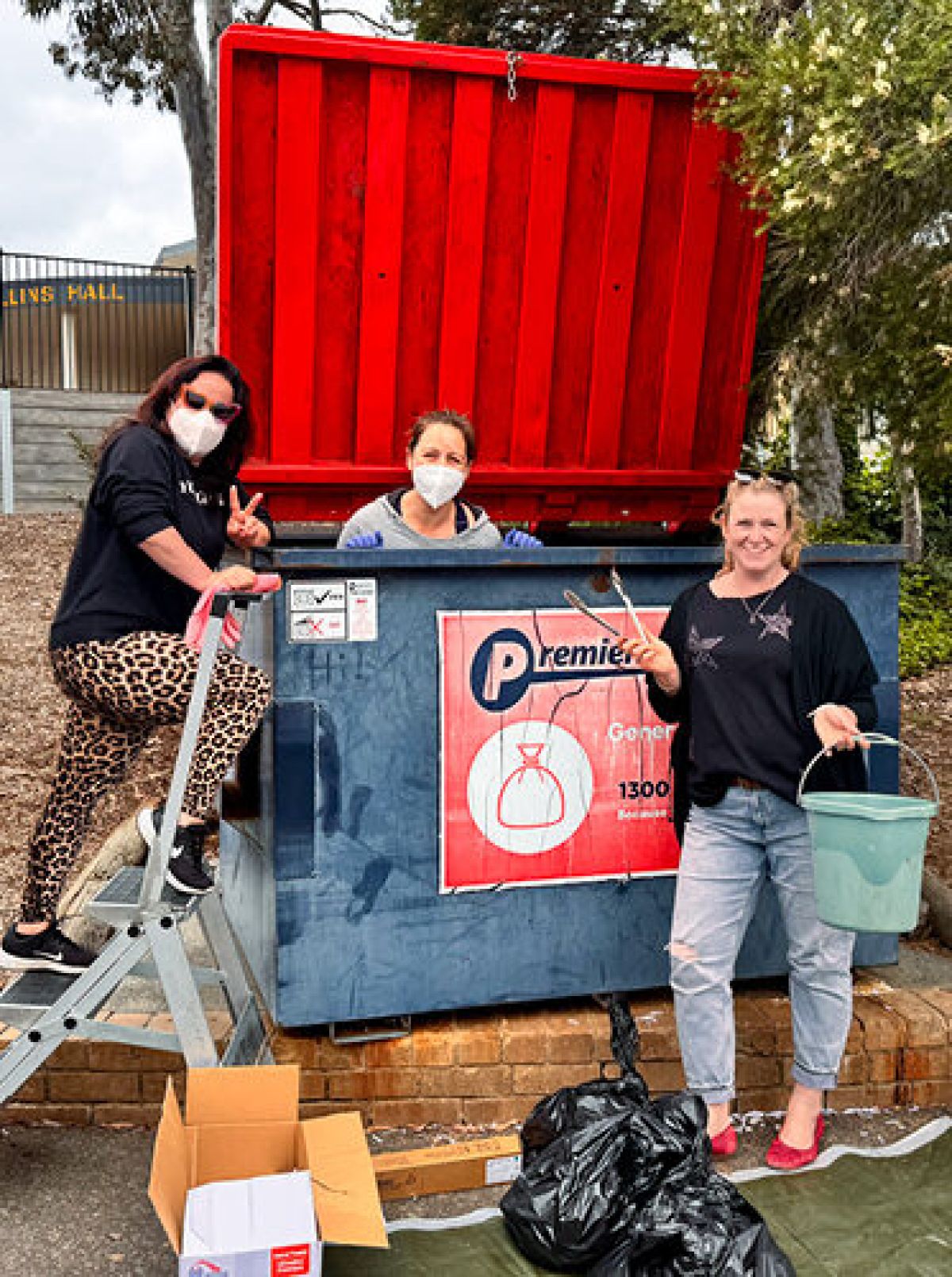
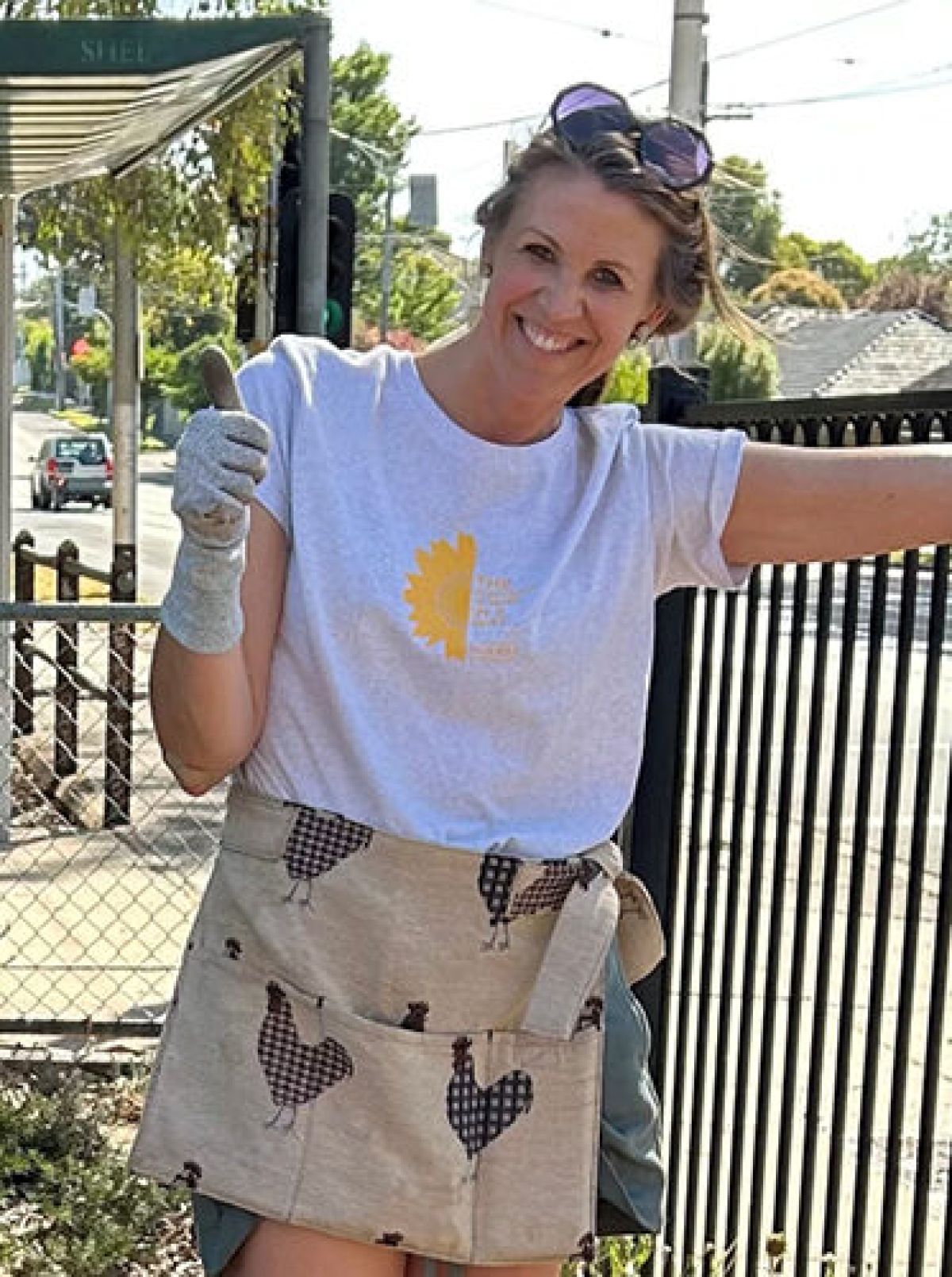
Melissa and Melanie, parent volunteers at Bayswater South Primary School, have worked with the wider school community to make sustainability a central focus.
They identified the school's reliance on landfill waste disposal and lack of recycling and have driven substantial sustainability improvements with the support of ResourceSmart Schools.
Forming a support team, their achievements include introducing composting and recycling programs, organising sustainability workshops, developing school garden projects, and launching plastic-free campaigns.
Melissa and Melanie worked with students to audit school bins, identifying major waste streams such as food, paper, and cardboard. They engaged their waste service provider and secured support from the local council for classroom recycling bins and compost caddies.
Collaborating with curriculum leaders, Melissa and Melanie are also helping to integrate sustainability concepts into teaching units. Their efforts reflect a comprehensive approach to embedding sustainable practices within the school, fostering environmental awareness among students and staff.
Finalists
Ocean Grove Primary School, Ocean Grove
A hands-on effort to transform school grounds
Ocean Grove Primary School has made significant strides towards sustainability, thanks to its dedicated parent volunteers Blair, Emma and Tiffany.
These 3 leaders worked together with other parents to design and build a Yarning Circle for cultural learning and biodiversity, and a new kitchen garden with a veggie patch and composting system. These projects help to deliver this 3 star school’s Sustainability Master Plan to improve habitat quality, create green corridors, and promote sustainability into daily school life.
Overnewton Anglican Community College, Keilor
Parent sustainability group makes Overnewton proud
Overnewton’s Parent Sustainability Group has worked together to boost sustainability awareness and inspire pride in community of this 2 star school.
With a focus on recycling and waste reduction, they’ve organised a waste audit, reusable party kit and stationery drive.
The parent group participated in National Tree Day and volunteered with the local council to plant trees and increase biodiversity.
They teamed up with Rethink Recycling to support classroom learning through incursions and a bottle top lid recycling collection.
Student Action Team of the Year
Celebrating student teams that best demonstrate environmental leadership.
Primary school winner: Heany Park Primary School, Rowville
At Heany Park Primary School, the 10-member Green Team has become the pulse of sustainability, earning the school its second ResourceSmart star for biodiversity while advancing waste, water, and energy goals. From leading composting programs – complete with how-to videos and posters – to organising school-wide clean-ups and Nude Food Lunches, their work has reshaped school culture.
Collaborating closely with the Student Representative Council, they coordinate initiatives like the Container Deposit Scheme and Endangered Animal Awareness Week, which included a zoo fundraiser and animal dress-up day. They also run a weekly gardening club and deliver regular sustainability updates, leading to more students adopting eco-friendly habits, like using reusable containers.
They collaborated with the Knox Environment Society and the Dolphin Research Institute, and confidently led a sustainability tour at a ResourceSmart workshop. Through education, action, and outreach, the Green Team is turning young enthusiasm into lasting environmental impact.
Primary school finalists
Brunswick South Primary School, Brunswick East
Students spearhead sustainability journey
The Brunswick South Primary School’s Environmental Action Team (EAT) was founded by Year 3 and 4 students and now boasts over 30 members who work together on sustainability initiatives such as waste-free lunches, designing an indigenous garden with educational signs, and building insect hotels from salvaged materials.
Notable activities at this 1 Star school in 2024 included a sustainability trail with guided tours and presentations on plastic pollution, and the 12 Days of Ecomas, a campaign for an eco-friendly Christmas.
Fairfield Primary School, Fairfield
Eco Club goes above and beyond
Fairfield Primary School's Eco Club is committed to sustainability, becoming a 2 star school for their waste management efforts.
The club tracks waste, uses worm farms, and promotes litter awareness.
Their activities reach beyond the school, including creating artwork for Plastic-Free July and selling eco-friendly products made from waste materials.
They’re working to reduce energy consumption and enhance biodiversity by creating an outdoor learning space filled with native plants and a frog bog, created with Victorian Junior Landcare funding.
Secondary school winner: Kew High School, Kew East
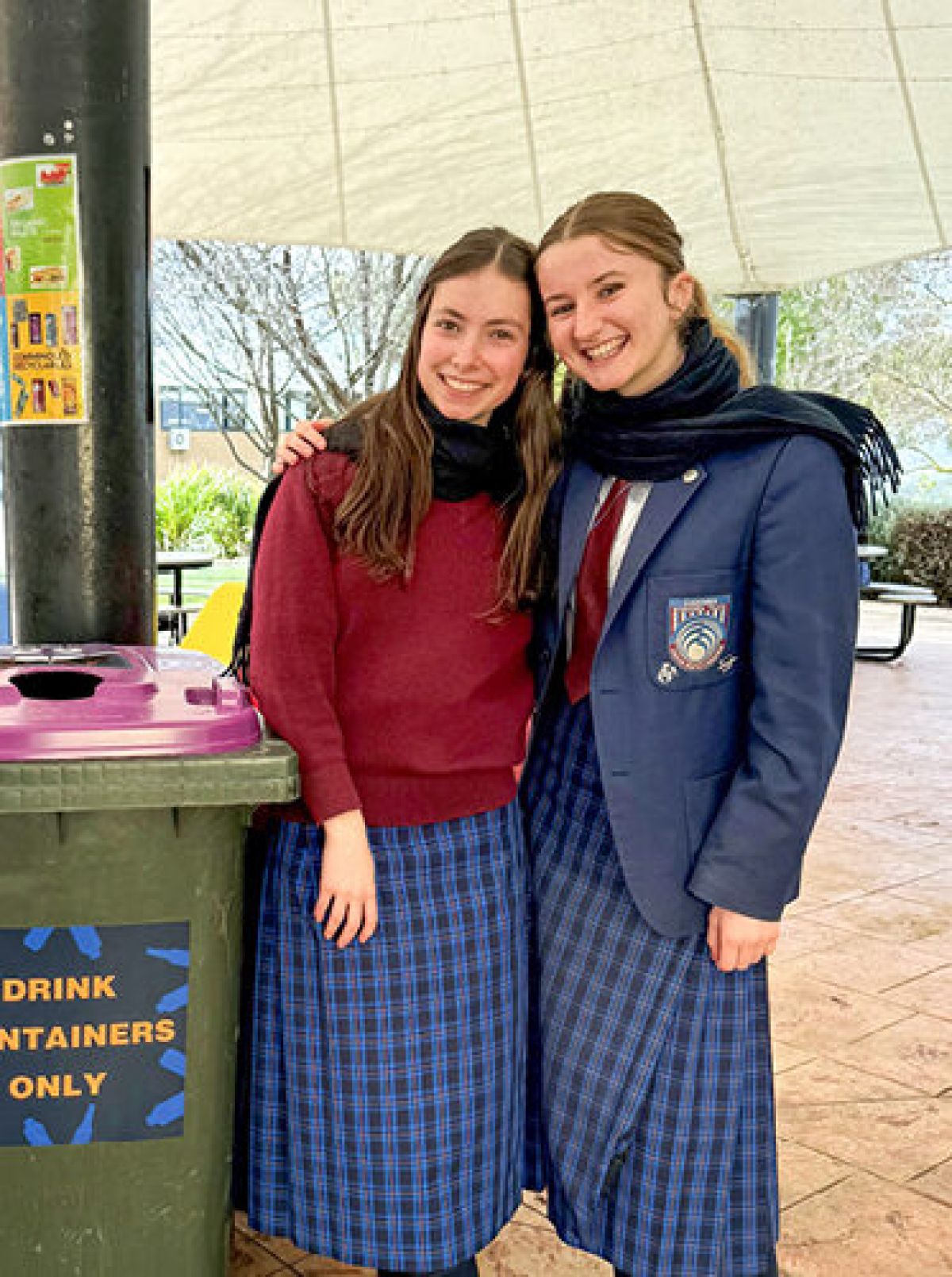
At Kew High School, the Eco Crew – students from Years 9 to 12 – has transformed environmental enthusiasm into action. In 2023, they installed worm towers in garden beds to recycle organic waste. By 2024, they joined Victoria's Container Deposit Scheme (CDS), rallying peers, staff, and families to collect and sort drink containers for recycling. Awareness campaigns spanned assemblies, posters, school screens, social media, and the student newspaper.
Their weekly meetings spark hands-on initiatives: harvesting herbs, making beeswax wraps, upcycling uniforms, auditing waste, and turning cafe coffee grounds into body scrubs. The Friday CDS Walk Up & Drop Off sees them hauling bags to Kew East supermarket, blending fundraising with community building.
They’ve led sessions for primary students and visiting Japanese guests, and in 2024, they hosted the first KHS Sustainability Summit – welcoming 200 attendees from 19 schools. With speeches, workshops, and a Pop-Up Op Shop, the Eco Crew is shaping culture, policy, and a climate-conscious future.
Secondary school finalists
Kardinia International College, Bell Post Hill
Student green thumbs nurture biodiversity
Kardinia International College’s student-led committee Earthcore works together to foster a school-wide culture of sustainability.
Earthcore’s key achievements include reducing waste through a 5-stream waste system, conducting annual waste audits and promoting proper sorting for recycling.
Biodiversity projects include planting 600 native trees and maintaining the educational Bush Tucker and Indigenous Garden and Senior School Vegetable Garden.
This passionate team has also raised $1,500 for social and community causes, as well as money for their own sustainability projects.
Wellington Secondary College, Mulgrave
Student superpowers to educate classmates
Wellington Secondary College's Sustainability Champions team has built the school’s sustainability culture by working together in ‘climate superpower’ groups, using a program from Melbourne University.
Those with natural superpowers constructed microbat boxes, established a biodiversity garden, and maintained the community garden. Students with social superpowers educated their peers on topics such as the circular economy, waste disposal, and fast fashion through presentations and games.
Students with cultural superpowers organised bake and sustainability fashion sales to raise funds for projects and promote circularity.
Curriculum Leadership School of the Year
This category recognises teaching and learning of sustainability through the Victorian curriculum, and the creative and innovative approaches to addressing sustainability in lesson plans, units of work or school-wide curriculum.
Primary school winner: Heany Park Primary School, Rowville
Heany Park Primary's curriculum empowers students to become informed leaders in sustainability, incorporating authentic, inquiry-based learning to address real-world challenges and foster critical thinking, problem-solving, and leadership skills.
The curriculum also incorporates First Nations perspectives, teaching traditional land management and native ecosystem preservation through a Yarning Circle and Bush Tucker Garden.
Heany Park Primary champions community engagement, with students collaborating with the Knox Environment Society, Dolphin Research Institute, and Bunnings to conduct biodiversity and waste audits, habitat restoration, and hands-on sustainability efforts.
Students learn about animal roles and biodiversity, with a focus on water conservation, examining human impacts on water systems through experiments and STEM projects. They design biodiversity projects and study ecosystem interdependence, presenting data-driven solutions to enhance leadership and responsibility.
The school creates biodiversity zones supported by local experts and family donations, learning about native species protection. The Green Team leads on composting programs and clean-up events, promoting waste reduction and resource management.
Primary school finalists
Gippsland Grammar, St Anne’s campus, Sale
Problem solving for better sustainability solutions
Sustainability is embedded in the curriculum at Gippsland Grammar.
Through the school’s outdoor, hands-on approach they work with First Nations community members, horticulturists and council officers, who all offer a unique take on sustainability curriculum.
The Year 4 sustainability program offers an immersive learning experience where students work together to develop solutions to sustainability problems.
The school encourages students to own their positive impact on the environment through their learning, ensuring sustainability remains a top priority.
St James’ Parish School, Sebastopol
Students’ special connection with earth’s story
At St James' Parish School, sustainability is woven into the curriculum.
This 3 star school draws on storyboard narrative teaching styles, helping students form a deep connection to the earth's story.
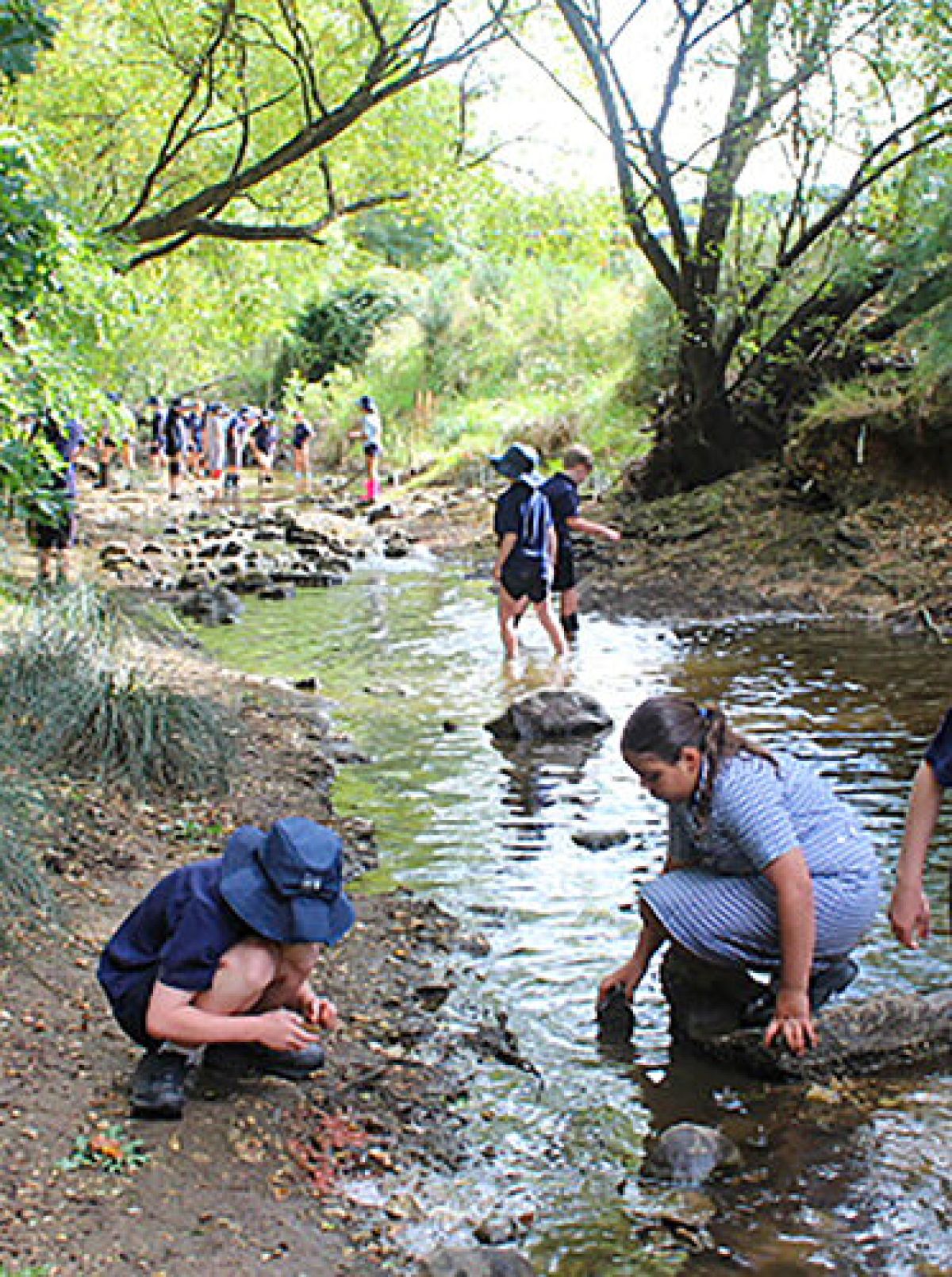
As part of the curriculum, students grow seedlings, plant vegetable gardens, harvest and cook with school produce, participate in River Detectives program, analyse water quality data, research local flora and fauna, participate in tree planting days, and utilise digital technologies to produce nature based movies and animations.
Secondary school winner: Victory Christian College, Strathdale
Victory Christian College embeds sustainability deeply into its curriculum, especially through its Environmental Science pathways for Years 9 to 12. These courses allow students to work on many different environmental projects, giving them hands-on experiences and a chance to contribute to local sustainability efforts.
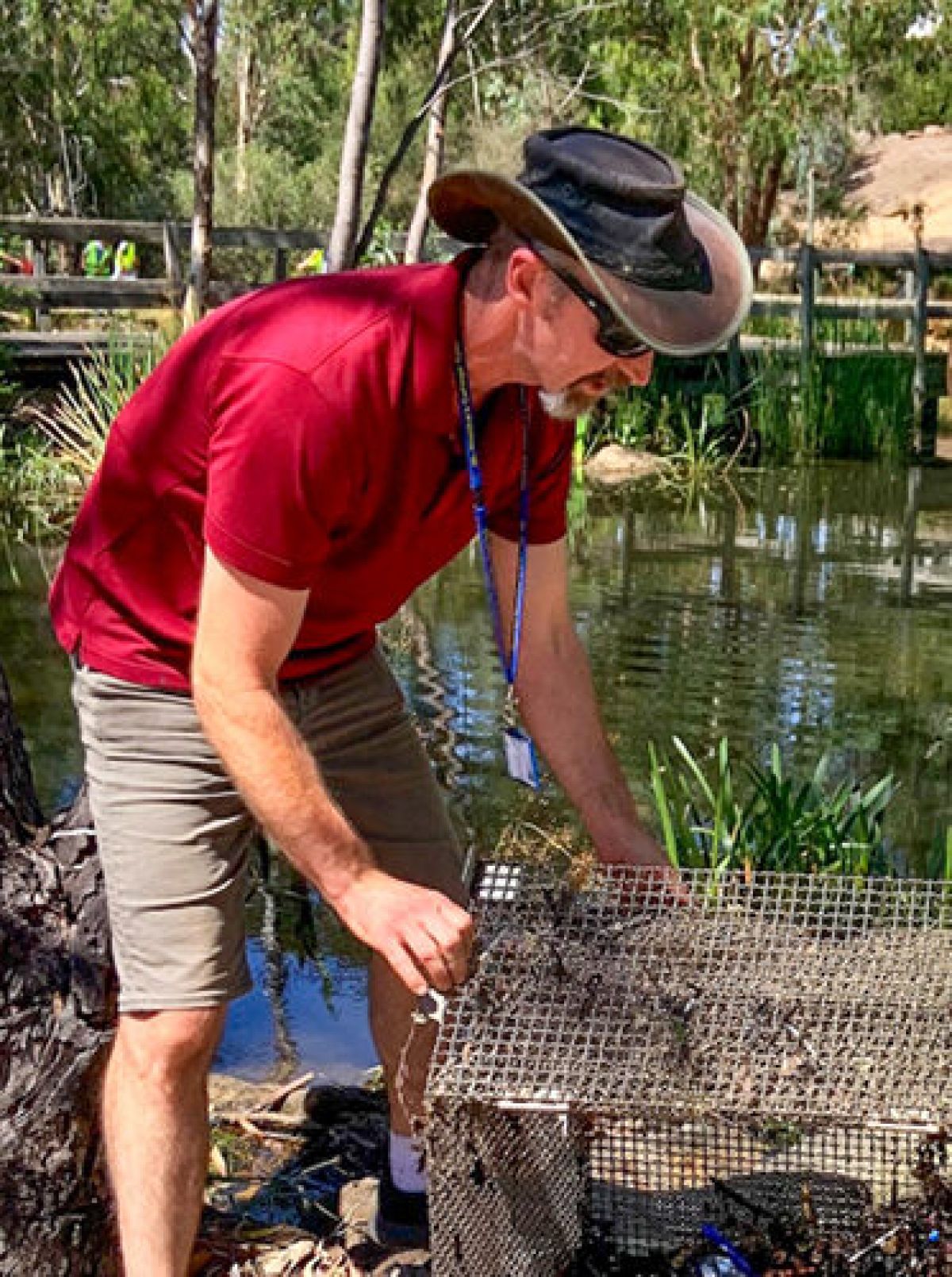
For three years, students have collaborated with local organisations to monitor nesting boxes for the Brush-tailed Phascogale. They contribute to citizen science – photographically documenting local biodiversity, tracking changes during dam repairs at Kennington Reservoir, collecting water samples, and entering data into the River Detectives database. Student efforts also include breeding native fish and planting aquatic plants to aid ecosystem restoration.
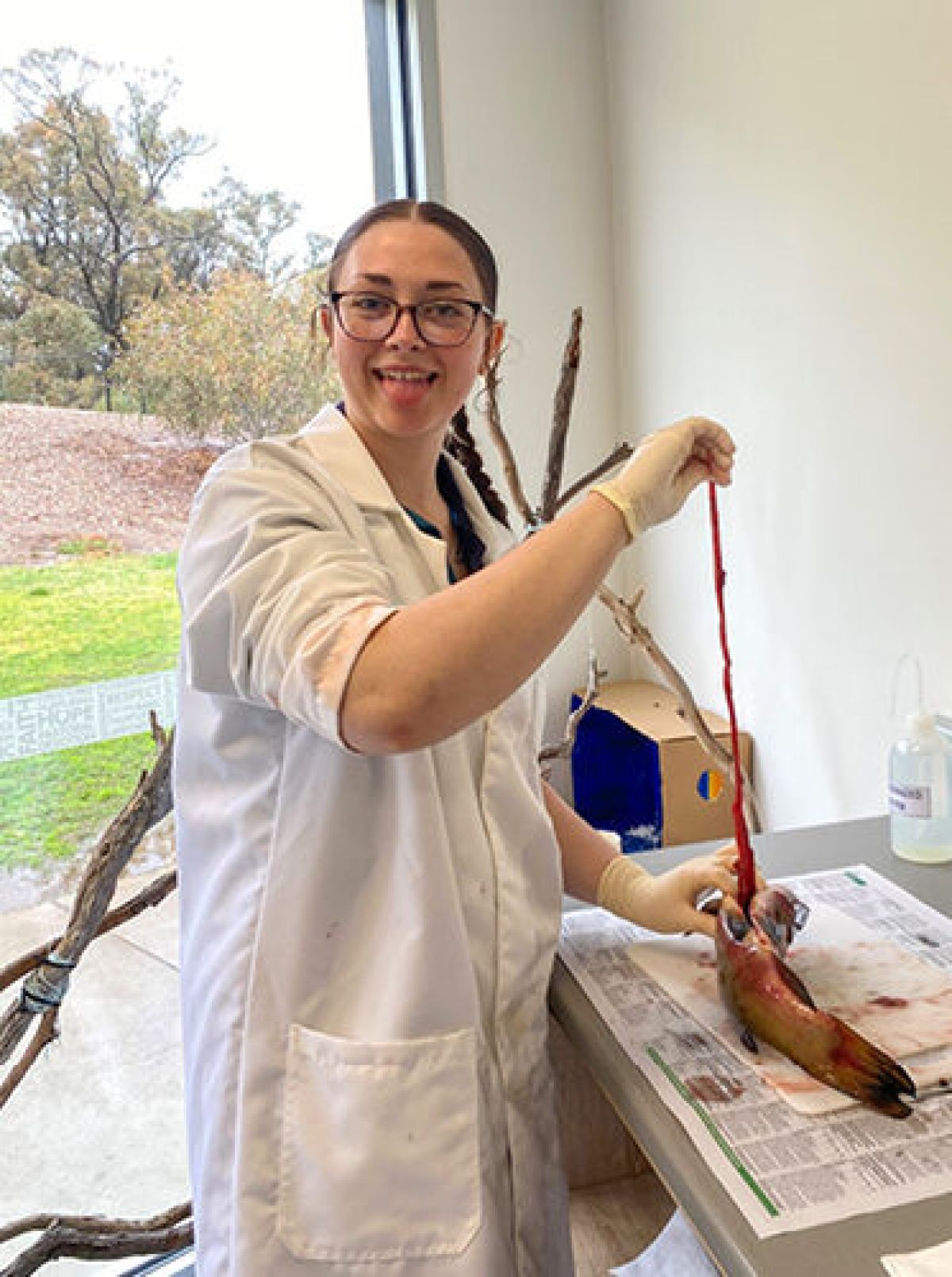
VCE students delve into topics like pollution and food security. Through hands-on methods such as dissecting fish to assess microplastic pollution, they discovered significant levels in species such as the Tench. Their findings on plastic pollution have been shared with local authorities, to raise broader awareness.
Secondary school finalists
Castlemaine Steiner School & Kindergarten, Muckleford
Wetlands woven into the curriculum
The vision of Castlemaine Steiner School & Kindergarten is to foster a learning environment that embraces ecological stewardship as part of the Australian Steiner Curriculum Framework, including through its wetlands management project.
The school community works together on hands-on activities to enhance the biodiversity and health of Basset Creek and wetlands area, working with the North Central Catchment Management Authority.
Students have removed invasive species, planted over 200 native plants, constructed bird hides from recycled materials, recorded bird species and assisted in fish audits.
Melbourne Girls' College, Richmond
Murnong revegetation patch honours indigenous biodiversity
Melbourne Girls' College integrates sustainability across all learning areas.
The school’s Murnong revegetation patch, a biodiverse habitat corridor to encourage native wildlife, is a focus of the curriculum in science, humanities and outdoor education.
Biodiversity and cultural awareness are deeply integrated, with indigenous biodiversity a priority since the school hosted its first Murnong Day in 2011.
Students researched pre-colonial flora and fauna and worked together to design a planting guide reflecting historical grasslands.
CDS Vic Excellence Award
Sponsored by Victoria's Container Deposit Scheme.
Primary school winner: Wandin Yallock Primary School, Wandin North
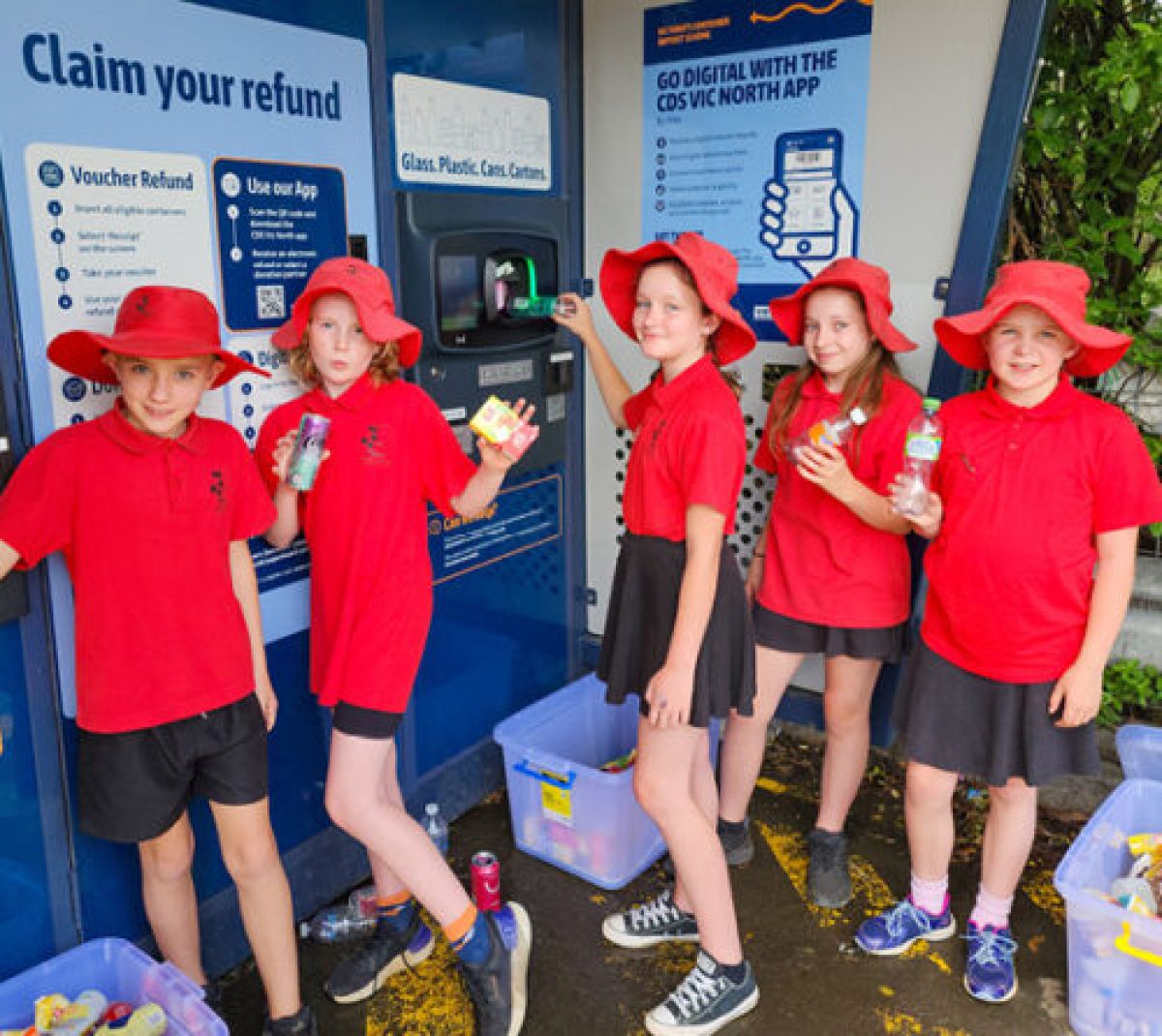
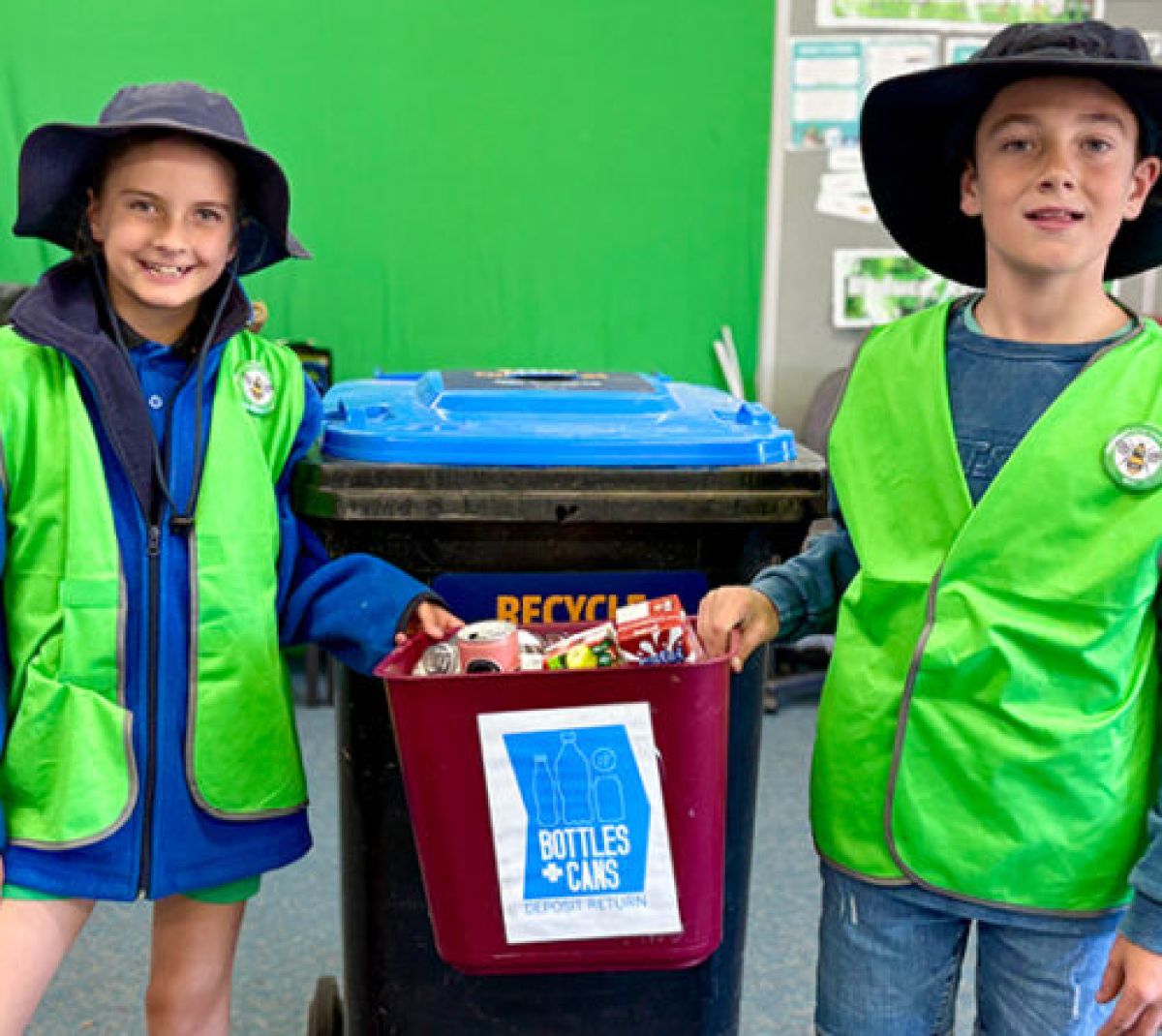
Wandin Yallock Primary School registered for Victoria’s Container Deposit Scheme (CDS Vic) to reduce waste and raise funds in 2024. Students devised methods for storing drink containers and purchased four large tubs for cans, tetra packs, glass and plastic bottles. After the first deposit, the team even acquired a mascot, a plush sea turtle named Eco.
Students place eligible containers into designated tubs day-to-day, with collections also held during special events like the school’s welcome barbeque and Colour Run.
Their CDS Vic collection goals are communicated through newsletters and classroom presentations, and photos and flyers are shared on social media, which boosts donations.
This 1 star school has worked together with the wider community, and now collects containers from families, businesses, and the local Country Fire Authority, all the while raising awareness of the impacts of littering and strengthening community connections.
The school has raised $400 and won $500 from VICReturn for water tanks.
Primary school finalists
Our Lady of the Nativity Primary School, Aberfeldie
Hands-on approach builds student knowledge and participation
Our Lady of the Nativity Primary School has enthusiastically embraced Victoria’s Container Deposit Scheme (CDS Vic).
Students in the Franciscan Action Team worked together with the school community to raise awareness of the program and encourage engagement and participation – even the wider community is now involved.
Students take part in sorting containers to build understanding of the benefits of waste reduction.
The 5 star school has deposited a total of 4,214 containers, cutting landfill and raising $421.40.
Pleasant Street Primary School, Lake Wendouree
Community partnership provides opportunity for those with disabilities
Pleasant Street Primary School has made significant strides in waste reduction and recycling through CDS Vic.
The Pleasant Street Bees, a student-led sustainability team, works together on waste audits each term and manages the collection of 10c items.
The school is working together with McCallum Disability Services to manage the collection and processing of recyclable containers, providing valuable work opportunities for people with disabilities.
The school has raised around $200 from recycling efforts over the past two years.
Secondary school winner: Kardinia International College, Bell Post Hill
Kardinia International College’s student sustainability group, Earthcore, has worked together to ensure the continued success of CDS Vic at the school, reducing waste and raising funds to reinvest in sustainability projects.
Earthcore conducts annual waste audits sorting and analysing the school’s waste to track progress and address contamination issues and has implemented five waste streams across the College.
The Purple Bin Project, introduced in collaboration with Recycle4Change, raises funds for sustainability projects while ensuring proper recycling of eligible drink containers across both campuses.
Educational campaigns and competitions like Bin It to Win It have engaged students to help overcome challenges like contamination.
In 2025, Sort Smart, Win Big was launched, incentivising proper waste sorting through a house-based competition. A student-designed app tracks progress.
More than 60% of eligible containers are now being recycled.
Secondary school finalists
Braybrook College, Braybrook
Tackling contamination through community engagement
CDS Vic has proven a cost-effective way to boost Braybrook College’s recycling efforts.
A Green Team of student volunteers worked together to collect recycled containers in dedicated bright red recycling bins. Some initial issues with contamination were solved through education and raising awareness in the school community.
The school also worked together to implement one student's proposal to replace the end-of-year skip with detailed waste-stream drop points.
Kolbe Catholic College, Greenvale Lakes
House rivalries accelerate container collection
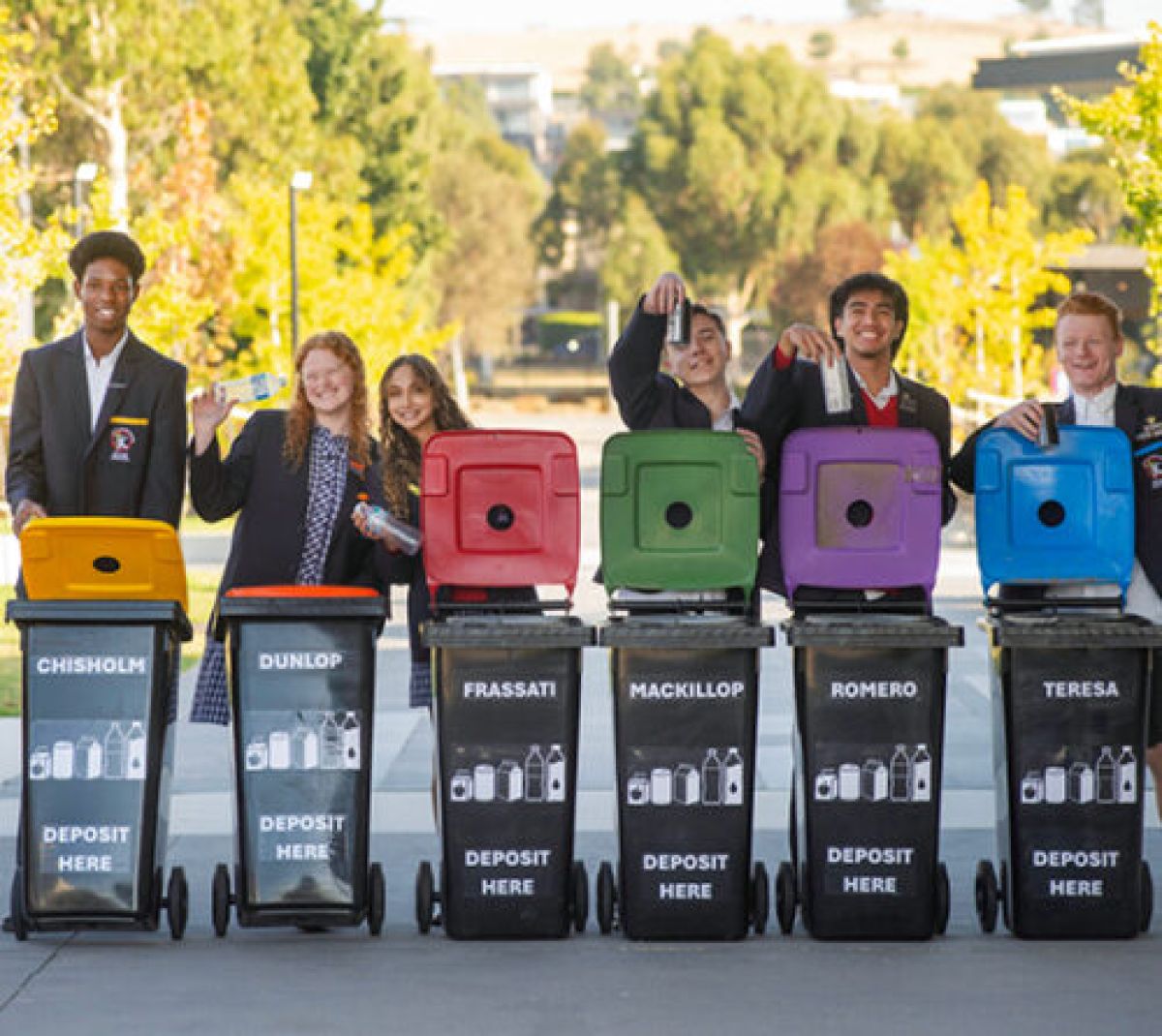
Kolbe Catholic College set out to reduce landfill waste and increase recycling by 12% over 4 years, and CDS Vic has helped them make a great start.
The Student Leadership Team came up with the idea to align CDS Vic with the school’s houses. They organised house-coloured collection bins and started a hotly contested Sustainability Shield competition.
To encourage staff and students to implement CDS Vic at home, the school started Containers for Charities, working together to collected over 500 containers.
Teacher of the Year
This category recognises teachers who best demonstrate leadership in sustainability.
Primary school winner: Marita Ryan – Albion Primary School, Albion
PE teacher Marita Ryan’s leadership has embedded sustainability into Albion Primary School's curriculum, school grounds and community since 2019, helping the school achieve 5 stars.
Marita engages students in hands-on sustainability lessons like gardening, biodiversity audits and water testing.
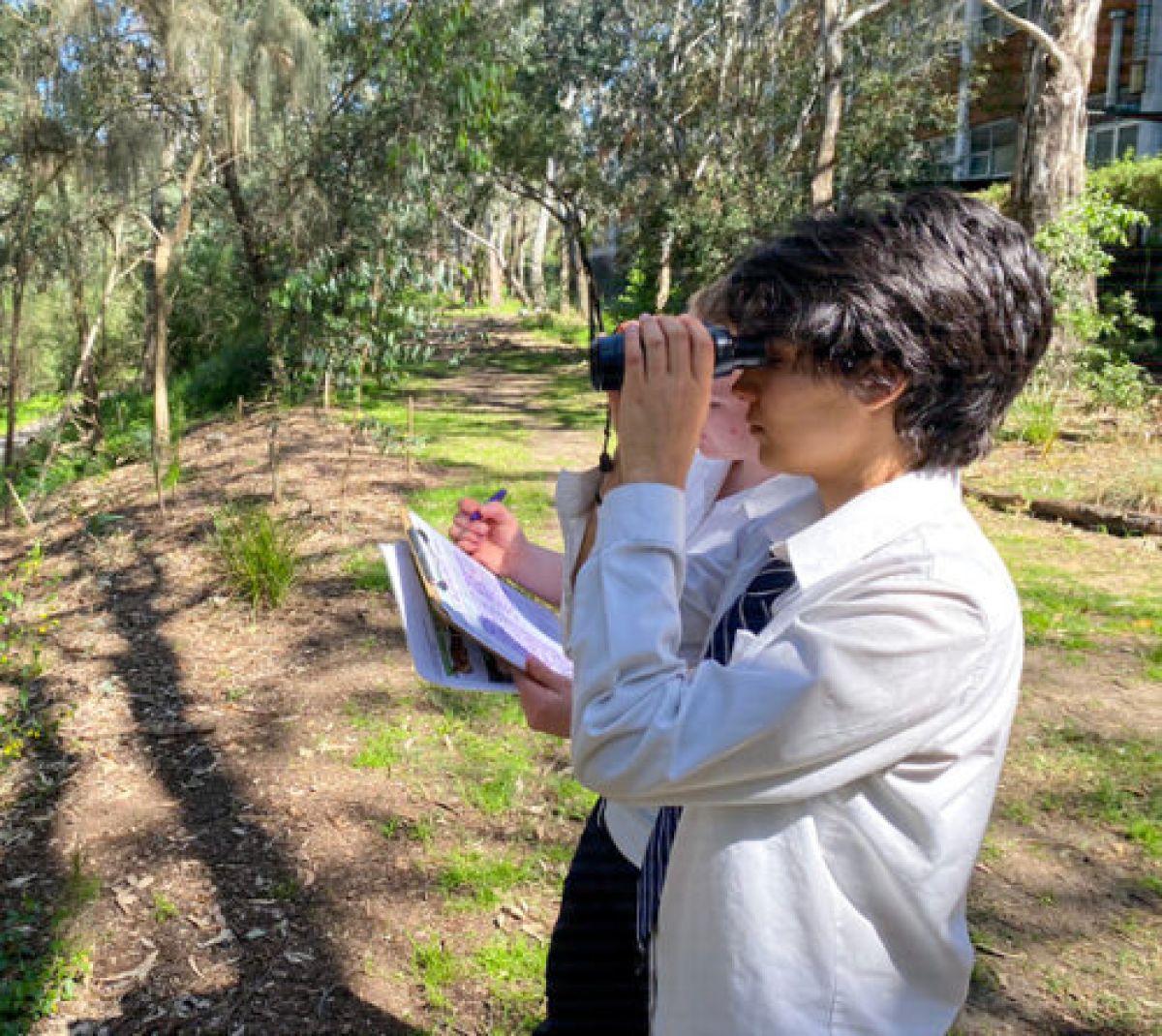
Her infectious enthusiasm for outdoor activities has encouraged students and families to work together in activities like bird watching and Clean Up Australia Day.
Marita’s work to embed sustainability as a cross-curriculum priority has inspired the school and resulted in an increase in community partnerships, including with Landcare, River Detectives, and Brimbank Council, and with local businesses, parents, and volunteers.
Marita applies for grants and hosts professional development including Teacher Environment Network days, inspiring the school community to adopt sustainable practices.
Her dedication and approachable leadership have ingrained a culture of sustainability within the school community – and has helped the school achieve so much more when working together with others.
Primary school finalists
Benson Steere – St Patrick’s Primary School, Port Fairy
Building community connections in Port Fairy
Sustainability Leader Benson Steere has made sustainability a core value at St Patrick’s and has maintained the school's 5 star status over four years.
By working together with the wider community, he created real-world learning opportunities for students like beach monitoring days with Deakin University and water-saving projects with Wannon Water.
His passion has created a culture where sustainability is celebrated and embraced by all, making a lasting impact on both the school and the township of Port Fairy, and building the future we need.
Stephen McNeight – Wendouree Primary School, Wendouree
An inclusive approach to sustainability
Garden, maintenance and sustainability specialist Stephen McNeight has helped transform Wendouree Primary into a sustainable environment and a 3 star school.
Stephen is a facilitator of the school’s flexible learning program, where he works together with students who struggle in traditional classrooms in gardening, composting and animal care.
Stephen organises events for National Tree Day and World Environment Day, and has developed partnerships with Fishcare, local wildlife rescues, Rotary and Landcare groups.
Stephen incorporates First Nations Education and coordinates NAIDOC and National Reconciliation Week activities working together with local First Nations people.
Secondary school winner: Elise Dunstan – Kew High School, Kew East
Elise Dunstan is a powerhouse in sustainability education. Her dedication and rigour have delivered tangible impacts in student engagement, participation, and learning at Kew High School.
Elise has seamlessly integrated sustainability education and practice into the school’s operations and curriculum, providing students with opportunities to engage with programs and initiatives, and explore sustainability career paths.
She introduced student management of the CDS Vic bottle sorting and deposit duties, and integrated worm farms, recycling, and waste management initiatives to increase school engagement with students with additional needs.
Elise ran the 2024 Kew High School Sustainability Summit, which attracted over 200 students and featured various industry and community organisations. Her community outreach includes organising pop-up Op Shops and collaborative garden projects, fostering connections and promoting a shared purpose.
A master at collaboration, Elise brings together students, alumni, and community members, exemplifying best practices through innovative methods.
Secondary school finalists
Shannon Sargeant – Lilydale Heights College, Lilydale
Sharing her expertise to leave a legacy
Sustainability Learning Specialist Shannon Sargeant has been championing sustainability at 3 star Lilydale Heights College since 2002.
She has integrated sustainability school-wide through waste audits, an ocean plastic waste project, the No Planet B initiative, second-hand book sales and constructing nesting boxes for local biodiversity.
Understanding that the school can achieve so much more when working with the wider community, Shannon has shared her expertise through professional learning sessions, engaging local primary schools and presenting at conferences.
Ben Coleman – St. Monica’s College, Epping
Empowering students as changemakers
Sustainability Coordinator Ben Coleman has inspired positive change at St. Monica's College by working together with students and the wider community.
With a focus on empowering students as changemakers, he has built partnerships with organisations to expose students to real-world career paths in sustainability.
Ben works together with teachers, too: he reviews lessons, develops new projects, and provides them with practical resources on sustainability.
Ben’s achievements include transforming Clean Up Australia Day into a whole-school competition and the creation of Bush Tucker gardens as a ‘living classroom’ for new learning opportunities.
Finalist image gallery

Page last updated: 24/09/26