Clever planning and shopping habits can help you avoid buying more food than you need – and save you hundreds of dollars a year.
Why it matters
Food planning (in whatever form works best for you) will help you:
- plan your meals for the week around the ingredients you have at home
- save money because you only buy things you really need
- save time and stress because you know what you will be cooking
- reduce the amount of food going to waste, which in turn reduces greenhouse gas emissions and saves valuable resources.
Good food planning involves checking what you already have, planning your meals and knowing what you need to buy. Make it a habit by setting aside time each week to do these things before you go shopping.
These small acts have a big impact on Victoria’s sustainable future.
Check what food you have before shopping
Do a stocktake and get organised
Look in your cupboards, fridge and freezer before you shop to see what you have.
Create a ‘Use it up’ section in the front of your pantry, fridge and freezer where you put anything that’s about to expire. Check that section first when thinking about what to cook, and place newer items towards the back when unpacking your groceries.
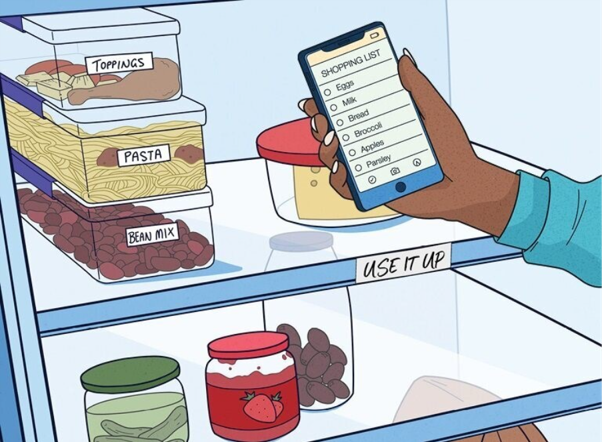
Tip: There’s a difference between ‘Best before’ and ‘Use by’ dates. ‘Best before’ means the quality may start to deteriorate after that date, but it can still be safe to eat if it looks, smells and tastes okay. ‘Use by’ dates show when a product is no longer safe to eat.
Plan meals in advance
Start small
Getting started with meal planning may feel daunting. Ease in by planning just two or three meals for the week ahead.
Make the most of what you have and buy
Plan meals around ingredients you already have, especially those that need using soon. For inspiration, try OzHarvest’s recipes for commonly wasted foods.
Try to choose recipes with similar ingredients. For example, if you need half a tub of cream on Monday, plan a dish that needs the other half for another day.
Check what’s in season
Planning your meals around fruits and vegetables that are in season is usually cheaper and these items are often fresher, so they last much longer.
Get everyone involved
Ask your family what they’d like to eat, or assign someone to cook each night. Check who will be home before planning meals and portions.
Choose a planning tool that works for you
Try using a meal planning app if you’re more of a digital planner. Some apps can even generate a shopping list from your meal plan. If you prefer pen and paper, there are lots of free printable meal planners online.
Stick to a shopping list
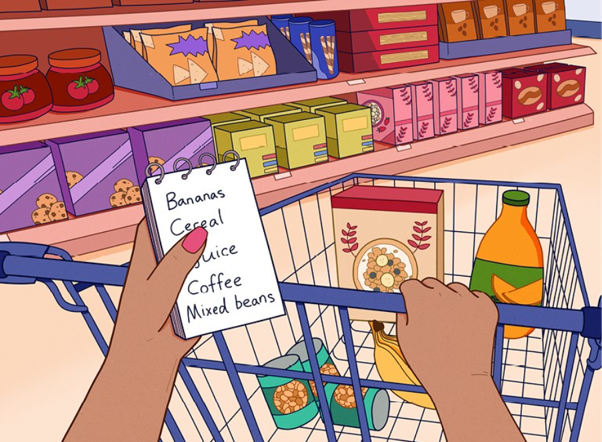
Write a list
There are many ways to make a list. Choose whatever works for you, whether that’s pen and paper or a smartphone app.
Keep a notepad in the kitchen to keep track of foods you run out of.
Organise your list
Try organising your list by store section or according to how you move through the store if you regularly shop in the same place.
Don't shop hungry
Have a snack before you go. If you go shopping when hungry, it’s easier to be tempted to buy extra food.
Consider special deals carefully
Bulk-buy deals or two-for-one specials are only good value if you will use everything that's included. Don’t be lured into buying more than you need. It’s not a bargain if it ends up in the bin.
Plan to eat leftovers
Plan ahead
Include a ‘leftovers night’ on your meal plan. You can eat extra portions from meals you cooked earlier, or turn ingredients left over from those meals into something new.
Store food right
After cooking, store leftover meal portions in well-sealed, clear and labelled containers. Freeze portions that will not be eaten within the next 3 to 4 days.
You can also store extra ingredients for later use. Check our food storage guide to keep items fresh and safe.
Page last updated: 24/09/26