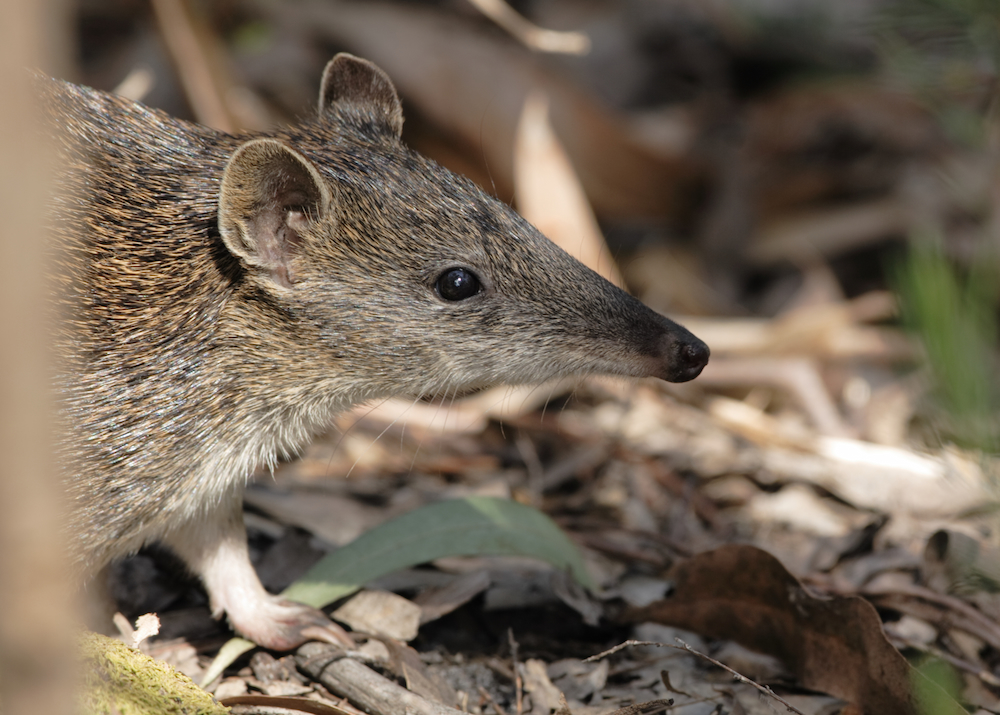
Photo credit: Peter Menkhorst ARI
The iconic southern brown bandicoot, with its pointed nose, humped back and rabbit-like size, was once widespread across south-east Melbourne.
However, these little critters are getting harder to find and are now listed as nationally endangered.
As Melbourne continues to grow, we need to ensure that southern brown bandicoot populations are protected and sustainable.
Cranbourne Gardens and surrounding suburbs are home to some of the last remaining urban populations of southern brown bandicoots on mainland Australia.
Habitat corridor
The Victorian Government is providing endangered southern brown bandicoots with a vital new habitat corridor, helping these much-loved marsupials move safely and freely as the city continues to grow.
The 4-hectare habitat connectivity corridor - covering an area the size of 6 soccer fields - will help to protect and connect the species, allow them to roam freely, forage and seek shelter on the outskirts of Cranbourne Gardens.
The Minister for Environment announced the Victorian Government is supporting the bandicoot corridor project with a $4.46 million investment.
Bandicoot project partner, City of Casey has provided $418,224 in support, and the Victorian Government contribution is backed by the ‘Nature Next Door’ Melbourne Strategic Assessment (MSA) Program.
Bunurong Land Council Aboriginal Corporation is guiding the cultural and ecological design of the corridor including plant selection, cultural heritage protection, and signage.
Habitat construction is expected to commence in 2027.
Bandicoot backyard
The corridor was announced at the 20th anniversary of the Royal Botanic Gardens Victoria's award-winning Australian Gardens, which is an important conservation landscape and home to a healthy population of southern brown bandicoots.
Southern brown bandicoots prefer to live in areas with low, dense plants. Residents sometimes spot them snuffling for food in backyard gardens.
These solitary creatures eat a variety of spiders, insects, ferns and fungi. Their food search often creates distinctive cone-shaped holes in the soil.
Media Release: Helping Bandicoots bounce back (PDF, 205.9 KB)
Related links
Meet the southern brown bandicoot
Southern brown bandicoot program.
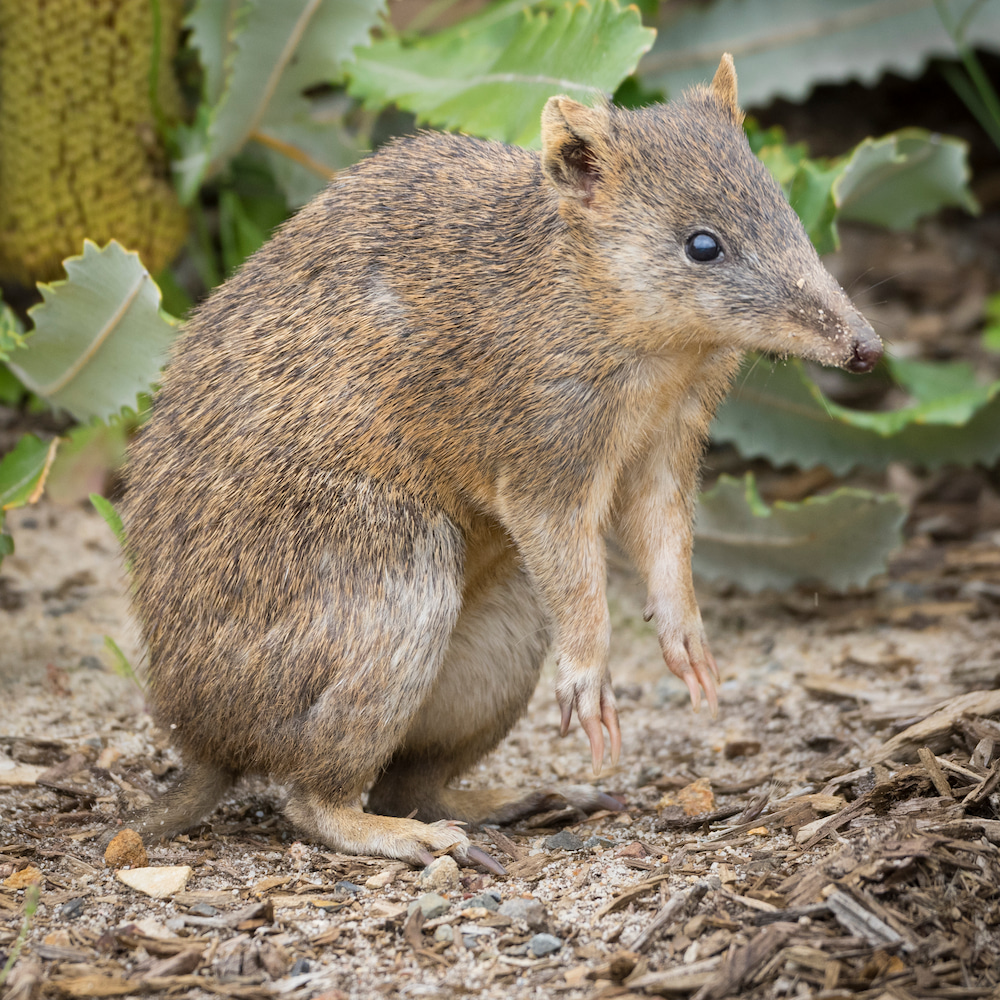 Photo credit: Justin Cally ARI
Page last updated: 25/07/26